

A mixtape on soundtracks that highlighted my journey.
Lana Del Rey, Just Ride
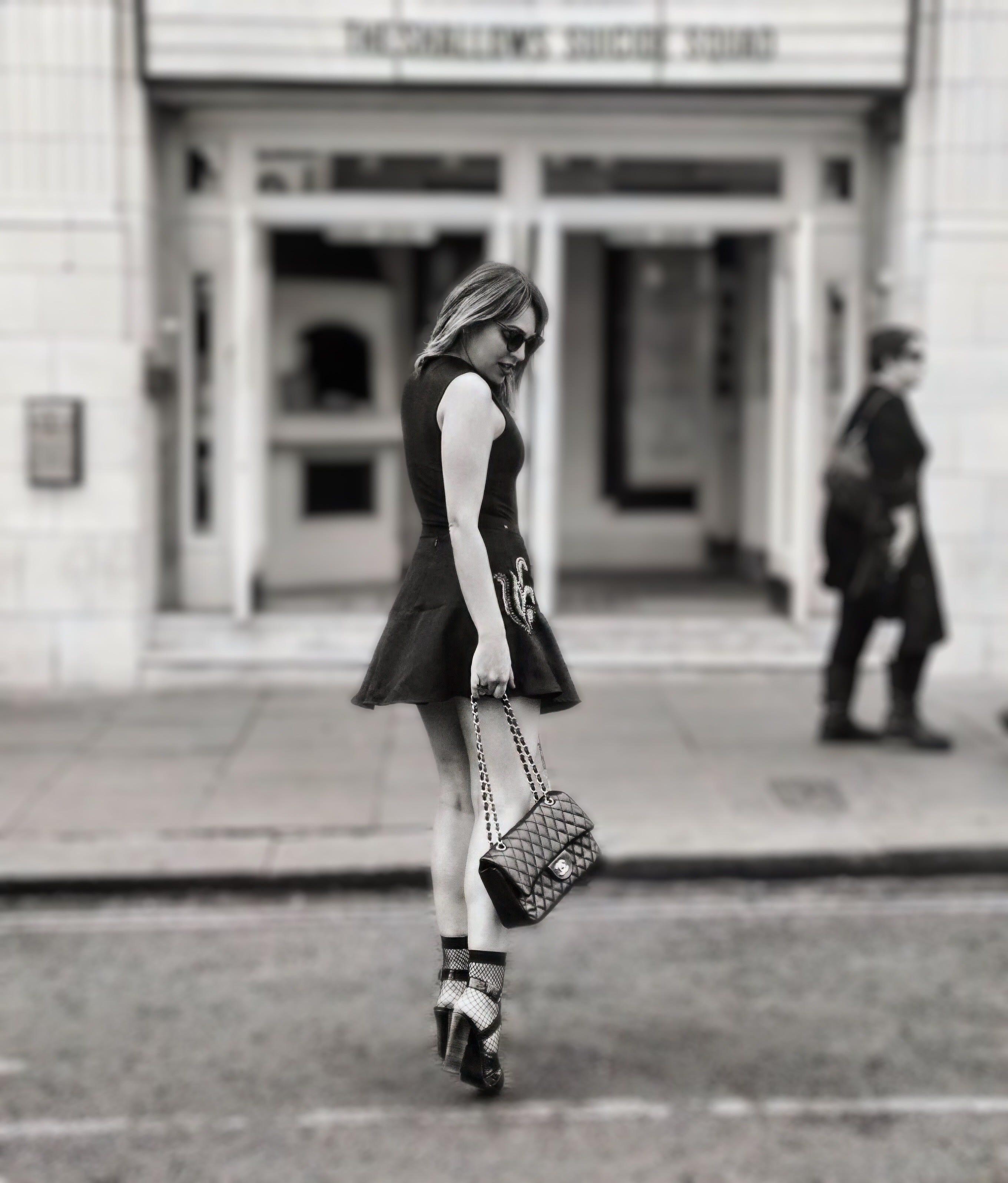
Author’s Note:
I’ve always found that Ride by Lana Del Rey acts like a compass through my story. No matter when I listen, it brings me back to a certain feeling I carry. It’s slippery to describe, but I’ll try…because this is the thread that moves me; this is the spark that remains through my journey, and will likely remain until the day I’m gone.
This essay is part memoir, part manifesto. It speaks volumes about ADHD through, music, myth, and meaning. It doesn’t seek a diagnosis or a redemption arc. It seeks resonance, for anyone who’s ever felt too much, not enough, or somewhere in between.
Singing Blues Has Been Getting Old
I remember my childhood with enthusiasm. My mind was full of ideas, wild, imaginative ideas. Reflecting on my upbringing, I see how this part of me unfolded, especially at preschool, where I convinced all my classmates that we were going to Disney. Every break‑time we gathered on the staircase, our little porch in school, and pretended it was our airplane stairway. We were off to Disney. I had five, six kids buying into it, because children have an imaginative power that is so often undervalued. I had it: I wasn’t a “normal kid” (of course), because I have ADHD, so my mind was always exploring, day‑dreaming, but I didn’t see that side of me as a shortcoming. I thought it remarkable that I got them all to dream with me.
That thread recurs. I could point to many moments, many incarnations of it. I was wired, by ADHD’s impulsiveness, not to pause but to go. When I got an idea and I was passionate, I acted. Childhood: I created a roller‑skating club and got the neighbours involved. At another time we believed in fairies, and we’d run across the vast backyards of our countryside homes in southern Brazil: tree‑jumping, ripe fruit‑eating, hands in mud, cooking and baking on our grandma’s kitchen. My childhood was tactile, full of texture, full of wild space and imagination.
And that matters, because kids who are neurodiverse, especially those growing up in a more virtual world, won’t always get the chance to experiment, to test their ideas. I was fortunate. My parents had recognised my hyperactivity after a formal neurological diagnosis, but they chose: “Okay, she’s like this, and we love her the way she is.”
There were no guidelines for neurodiversity in the early 90s in Brazil; I can only imagine how difficult it must have been for them. A child so full of life and energy, and at the same time difficult to deal with. That is often the paradox for neurodiverse kids (and later grown‑ups): we are seen as “difficult,” “problematic,” and so two intertwined threads run through our lives: exuberant possibility and the sting of non‑belonging.
That continues until the day I got my late ADHD diagnosis and life shifted, but the spark, the thread, I kept it.
I Hear the Birds on The Summer Breeze I Drive Fast I’m Alone at Midnight
In my teens, I collected more of these experiences. They weren’t all bad, they included light and texture. My environment was rather conservative in mindset, but I found pockets of freedom. I loved to challenge things. For me, accepting something without scrutiny was not an option. I don’t know if that’s environmental, personality, or both. But I grew up in a family of lawyers. from my dad’s lunch‑table talk about legal cases and local politics, to my sister becoming a prosecutor. My younger brother remains the light of my childhood.
And I, the outcast. Privileged by class and skin colour, yet dismissed for not fitting the mould. In Southern Brazil, where I grew up, and perhaps in the North too, class and wealth act as social magnets. To be accepted, you must be wealthy, white, and successful. If you look European, you’re treated with a kind of automatic respect, as if your appearance alone validates your worth. That’s what we’ve come to recognise as entitlement. I ticked two of the boxes. But I still didn’t belong. I was neurodiverse, and that didn’t qualify. It disqualified.
So many layers: wealth and outcastness, privilege and mismatch, light and fracture. And that thread, that light of impulse and execution, propelled me onward. Thinking and acting, living as someone with ADHD, it means that you are always on. Imagine a lightbulb that’s at 100 % all the time, you go to bed, you wake up; your eyes have to adjust; you’re tired but the bulb stays on. That’s ADHD.
Trying Hard Not to Get Into Trouble, I’ve Got a War in My Mind, So I Just Ride
This line specifically narrates what it’s like to be inside a neurodivergent head. The war isn’t visible. But it’s constant.
The metaphor of the open road resonates: being simultaneously nowhere and everywhere; overlooking tiny cities, your seat is shrinking beneath you, you’re nearly touching the sky but you don’t know the sky because it’s nothingness. And you feel: you finally have a place to exist. Because this is what ADHD feels like: you can’t belong, but you’re always somewhere else.
And I’m relieved I discovered this while I’m alive, because so many lose their lives without grasping the beauty of the neuro‑diverse mind.
The key to surviving that war is this: find your core, your non‑negotiable. Step away from the narratives of pity and sabotage. Become an actor in your own story.
Now I’m nearly 40, and I understand.
neurodiversity has no off button. You are born this way, you die this way. As with sexual orientation: you don’t choose being gay. You were gay; you’ll be dying gay.
The same for neurodiversity. You can’t switch it off. The more you try, the more you feel you don’t belong, you don’t have the right to exist.
This is why I’m telling this story. Our society has spent too much effort pushing us to be shaped. But we also have the power to reshape, and to shift. That’s what this thread is, this life‑impulse that follows me.
The best example of that thread might be the day I decided to leave Brazil and move to the UK. I knew I was different. If I’m an apple, I’ll never turn into a pear. Doesn’t matter what people expect.
Don’t Leave Me Now, Don’t Say Goodbye, Don’t Turn Around, Leave High and Dry
My family valued order, career, stability, but I wanted flight.
I sat through lunch-table conversations about legal matters that, somehow, inevitably spiraled into arguments. And while I listened, sometimes even interjected, I knew, with absolute certainty, I could never fit that frame.
If you’re neurodiverse, you often become the change‑maker, not because you seek it, but because you are always changing. You’re adapting, masking, reshaping.
The creative and analytical mind is constantly spotting patterns, noticing what others overlook. But the real challenge is emotional: managing the gap between what you think and how you feel, between autonomy and insecurity, assertiveness and passiveness.
And when families or institutions look at neurodiverse kids and take everything away from them, agency, autonomy, the right to experiment, or fail to offer opportunities where they can thrive, it makes me deeply sad. Angry, even.
What a neurodivergent person needs is the space to experience life on their own terms, with autonomy, trust, confidence. More than love (though everyone needs affection), they need the freedom to be themselves.
It’s estimated that around 15% of the UK population is neurodivergent, an umbrella term covering conditions such as ADHD, Autism Spectrum Disorder, dyslexia, dyspraxia, and others.
So, if I might offer a piece of advice, to families, governments, institutions, anyone: Don’t underestimate neurodiversity. Don’t pity neurodivergent individuals. Don’t assume they lack intellect.
Many people with ADHD or autism are extraordinarily capable, often intellectually gifted. In the right environment, they demonstrate above-average IQ and insight.
The crisis comes when society says: “You are not capable.”
Rejection, the fear of being left high and dry, that speaks to every neurodivergent person who carries the deep wound of not belonging.
We comply to live like others, but the norm holds the power. Until we challenge it. Until we re-signify it. Until we transform, not by tearing ourselves apart, but by evolving without losing our essence.
Society should be cyclic, retrofitting, reinventing, but never erasing. And in that reinvention, we need more compassion, more love. Not just for people who look or think like us, but for those beside us who are different.
Lane by lane: I’m in mine, you’re in yours. We coexist.
That’s the Way the Road-Dogs do it, Light-’til Dark
Lana’s narrative, if you tilt your head and squint, is tailor-made for commodification. Hollywood and the entertainment industry have long preyed on the neurodivergent spirit without ever naming it. The rebels, the adrenaline junkies, the feral femme fatales, the ones who were uncontainable, those were always the most interesting, the most magnetic, the most mythologised.
Hollywood did a brilliant job mythologising the aura of neurodivergence: the grit, the chaos, the madness‑as‑sexy. But it failed to name it for what it was.
The glamorous edge we romanticised growing up, the drinking, the smoking, the sex, the risk, the rage, it was often the surface symptom of a deeper truth: a mind trying to regulate itself in a world that refuses to understand it.
The aspirational version of a neurodivergent life is intoxicating. The reality? Often devastating. Many artists are neurodivergent without knowing it. They spend a lifetime chasing clarity through their art, trying to find peace through expression. I sympathise with that entirely.
And here’s the twist: it doesn’t matter how polished your identity looks, how wealthy, how acceptable, how “palatable” you’ve made yourself, there’s always a moment of reckoning. A moment when you realise: we’re just humans on a rock floating in space, trying not to fall apart. That’s the trap. That’s the punchline.
So yes, the narratives need to be rewritten. The heroic arc. The femme fatale trope. The glamorised self‑destruction. These once-radical templates, forged by cinema and fashion, are no longer revolutionary, they’re exhausting! And many of us, especially those who are neurodiverse, tried to live those stories. But the practicality of it is debilitating.
I’m Tired of Feeling Like I’m Fucking Crazy
An ADHD mind without the right tools, environment, or people around can fall hard.
The emotional trauma we accumulate can leave long-lasting scars, on our sense of belonging, our ability to function, organise, love, and show up in the world. That’s why that one line from Lana Del Rey’s ‘Ride‘ hits me in the gut: I’m tired of feeling like I’m fucking crazy.”
It’s a cry most neurodivergent people have felt deep in their chest. When we try so hard, only to crash. When we break down, and instead of support, we’re told: You’re too much.We’re labelled “disruptive,” “difficult.” But what we’re really doing is feeling. And in a world built for neurotypicals, feeling deeply is treated like a threat.
It’s emotional gaslighting, though most of the time it’s unintentional. It’s a lack of awareness. ADHD isn’t a personality quirk. it’s a neurobiological reality.
All I’ve got to keep myself sane, baby, so I just ride…
I did that. For years. Flying non‑stop, reviewing hotels, exploring cities. I was proving nothing to anyone, just to myself. But I see now: life isn’t about proving anything. It’s about living.
When I could no longer move from place to place, person to person, job to job, when I couldn’t “ride” anymore, I crashed. And in that crash, I had to find a new kind of freedom. One that wasn’t about motion. One that came from within. I found it in art. In writing. In speaking my truth. Because when we speak, we create.
The logos, is the word materialised in the universe. You can’t unsay it.
And that, for me, was the key to my freedom: connecting with that invisible thread that I’ve felt since childhood. A divine thread. One that exists in all of us. Reflected in the wind, in ecosystems, in the subtle transitions of the seasons. A divine light, eternal, cuts through all darkness, we can name it resilience, strength. It opened the locked doors. It pushed open the windows. It freed me from rooms I thought I’d never escape.
And now, even when I revisit those places, emotionally, mentally, I know the way out. Because that thread is still shining. Not with the impulsiveness of my younger years, but with something deeper now. Something holy.
A quiet knowing that something bigger than us exists. Hope, perhaps? That grace exists. That it lives within every soul on this planet, neurodiverse or not.
And no matter how difficult life gets, we have the power to reignite the spark.
To reconnect.
To rethink.
To transform.
To evolve.
To become something new.
We have the right to exist in our own shape and form.
It’s a existencial ride.♾️