

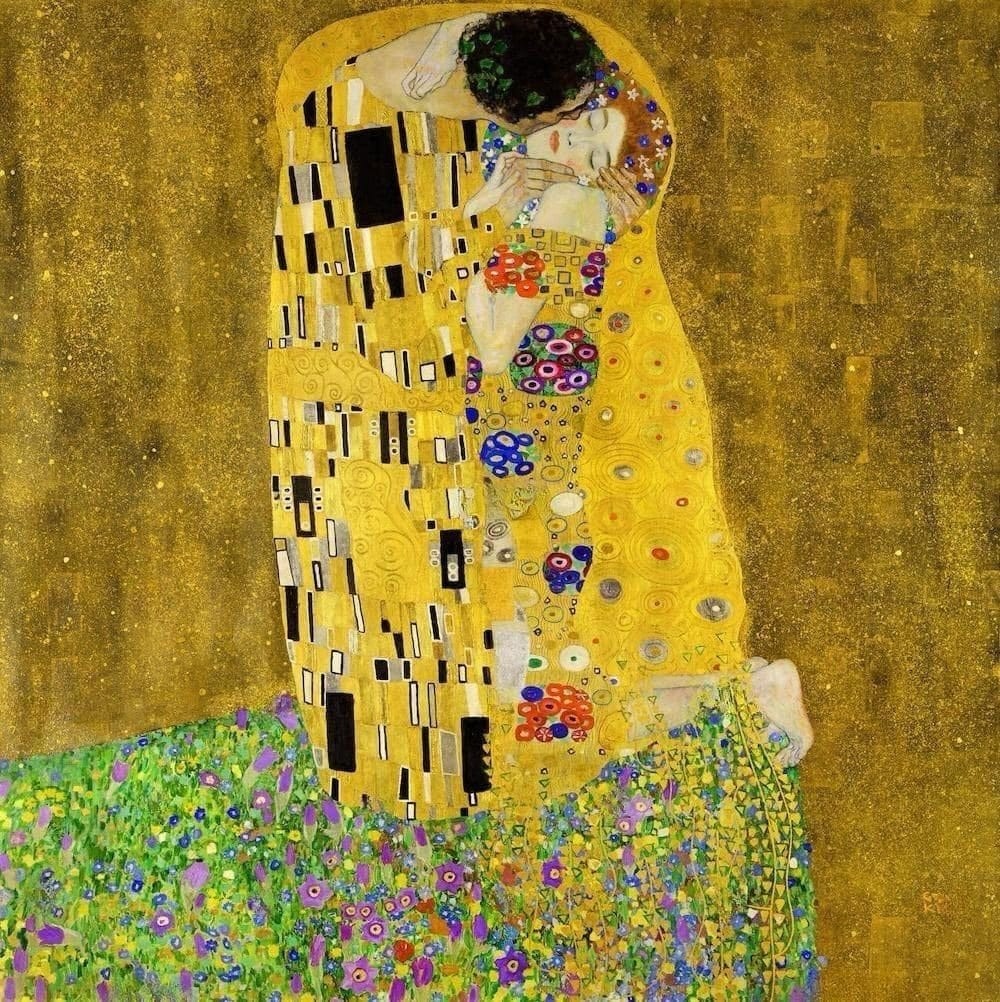
Easter is a time of renewal. For Christians, it carries the weight of sacrifice, but also mercy, empathy, and love. As we move into a new season and gather again with family, I’ve been thinking about something we rarely define properly, especially as neurodivergent people:
What does it actually mean to feel safe?
Because safety, in theory, is simple. We associate it with places, systems, protection, seat belts, locks, routines, institutions. But that version of safety doesn’t always translate.
I don’t normally drive, but when I’m in a car, I often forget to put my seatbelt on.
Not because I don’t understand its purpose, but because what feels “obvious” to others doesn’t always register in the same way.
And that’s what safety can feel like with ADHD.
Safety is not where you think it is
For many neurodivergent people, safety is not primarily physical. It’s emotional. It’s about how feelings are expressed, received, and held.
You can explain safety clinically, prefrontal cortex, dopamine regulation, emotional processing, and all of that is valid. But it often misses the lived experience. Because from the inside, it feels more like this:
Imagine a fountain that never turns off. Emotions are constantly flowing, tidal, intense, fast, layered. That’s why transitions feel hard. That’s why something small can feel overwhelming. That’s why we can go from intensity to silence, because we learn to mask it.
We grow up in systems built on agreement, discipline, and conformity.
Not for difference, but for what is considered “normal.” So safety becomes something abstract. Something talked about, but rarely felt.
How I learned safety (without knowing what it was)
For a long time, I didn’t know what safety meant. But I recognised it in moments.
A warm shower. Fresh bed linen. Running by the canal. Sipping a coffee, writing in my journal, buying flowers, helping someone…taking my makeup off at the end of the night, no matter how tired I was. Creating small routines that brought order into chaos. Safety, for me, was never handed over as a concept. It was something I built instinctively.
Sometimes that meant retreat.
When life felt emotionally unstable, I would step away, from people, from noise, from expectations, and return to something internal. Writing became that place. It gave me cohesion. And eventually, that cohesion became a form of safety. But not everyone gets to build that. And that’s where the real issue sits.
Safety changes as we grow
What safety looks like evolves.
For a child, safety is:
structure
predictability
boundaries
space for creativity
Not control.
Not suppression.
Not systems imposed without understanding.
When I entered school, some of that structure existed, but only partially.
Socially, it became unpredictable. Painful. Confusing.
And without the right support, that lack of safety starts to show up everywhere,
in behaviour, in performance, in identity.
So I adapted.
I created an internal system that gave me what the external world didn’t. But that’s not something every child should have to do. Children need to be seen.
Not streamlined.
And too often, we try to standardise people instead of recognising their individual strengths.
So what does safety really mean for an ADHD mind?
Safety, for an ADHD mind, is not primarily physical. It’s emotional.
It’s the feeling that your internal world won’t be dismissed, rushed, or misunderstood.
That your reactions, however intense, won’t be met with judgment, but with steadiness.
Because when your mind processes everything at a higher volume, safety isn’t about protection from the outside, it’s about regulation on the inside.
Safety looks like:
being spoken to with clarity, not ambiguity
consistency in words and actions
emotional responses that don’t escalate yours further
space to process without pressure to “move on” too quickly
It’s not about removing intensity.
It’s about not being overwhelmed by it.
For an ADHD mind, emotions don’t arrive gently, they surge.
And when that surge meets unpredictability, criticism, or silence, it creates instability.
So safety becomes the opposite of that.
It becomes:
predictability
reassurance
emotional responsibility (from both sides)
environments where you don’t have to constantly self-correct just to be accepted
And perhaps most importantly, Safety is the absence of shame. Because many neurodivergent people grow up learning that their natural responses are “too much,” “too fast,” or “too sensitive.”
We adapt.
We mask.
WE suppress.
But true safety is the space where adaptation is no longer necessary. Where you can feel fully, without needing to apologise for it.
For an ADHD mind, safety isn’t about being protected from the world, it’s about no longer needing to protect yourself from it.
And this is where Easter becomes something deeper
Because at its core, Easter is not just about renewal.
It’s about transformation.
About moving from suffering into compassion.
From isolation into connection.
From fear into love.
And that transformation doesn’t happen externally first.
It happens within.
A gift from the God’s
I’ve come to accept that the universe has given me everything I need to move through this world, even with my insecurities, even with my weaknesses. There is safety in that.
Something that doesn’t rely on perfection, but on presence.
I believe I’ve been given the ability to feel deeply, and to translate those feelings into words that others can recognise in themselves.
And maybe that’s part of safety too.
Being understood.
Or finally understanding yourself.
Because when we begin to love ourselves, not in theory, but in practice, we become grounded.
We start to see clearly what needs to change.
We take responsibility for our thoughts and actions.
We align with who we truly are.
And in that alignment, something shifts.
We realise that love, real love, transforms.
It softens pain.
It brings light into places that once felt heavy.
It creates space for healing.
Every day, we are given a choice:
To be kind.
To be patient.
To meet others where they are.
The world doesn’t need more perfection.
It needs more people who feel safe enough to be real.
Because when we feel safe, we stop comparing.
We stop trying to become something else.
We return to ourselves.
And in that return, we realise something simple but often forgotten:
We were never incomplete.
This Easter, instead of asking what you need to become,
ask yourself:
Where do I feel safe enough to be fully myself?
And if the answer is nowhere yet,
start there.
Happy Easter!
M